Attivazione elettrochimica armonia della natura

© Copyright 2023 • Kairós • Todos los derechos reservados.
• P.IVA / CIF: 05167010239
Política de Privacidad - Política de Cookies
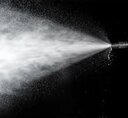
Fogging
Atomization
There are specific applications where fogging or atomization proves to be more effective, as these methods reach every nook and cranny—even the most hidden spots—where pathogens may hide.
The difference between atomization and fogging lies in the size of the droplets emitted by specialized nozzles:
Atomization: Produces larger liquid particles (50 to 200 micrometers). It provides faster and broader coverage, making it ideal for applications such as agricultural pest control.
Fogging (Nebulization): Generates much smaller droplets, from 5 to 25 micrometers. This creates a fine, uniform mist used for cooling, humidification, or deep disinfection without wetting surfaces.
The Advantage of Hypochlorous Acid (HOCl) in Aerosol Form
Unlike most disinfectants that are only tested or studied in their liquid form, Hypochlorous Acid demonstrates exceptional efficacy against pathogens even when used in aerosolized or sprayed forms.
Faster Kill Time: Its action is significantly quicker compared to other compounds.
Enhanced Efficacy: When used in fog or aerosol applications, the HOCl molecules remain suspended in the air for a longer duration. This prolonged suspension maximizes contact time with airborne and surface pathogens, making the treatment more powerful and effective.